
There isn't just one way to learn art

Hello beautiful artist!
Have you ever worried that your artwork looks too much like your teacher's?
Or wondered if following a class too closely means you're not being original enough?
Perhaps you've even caught yourself thinking, "Am I just copying? Is that OK?”
If you've ever felt this way, I have good news: There isn't just one way to learn art, and that’s what art classes are actually for!

When we're learning something new, it's perfectly natural to follow along step by step. That's how we discover new materials, techniques, and creative possibilities. Every piece we create is part of our learning journey.
Then, with time and practice, something beautiful begins to happen: you start making different choices. You reach for different colors. You combine ideas in new ways. You trust your intuition more and more.
Little by little, your own artistic voice begins to emerge.
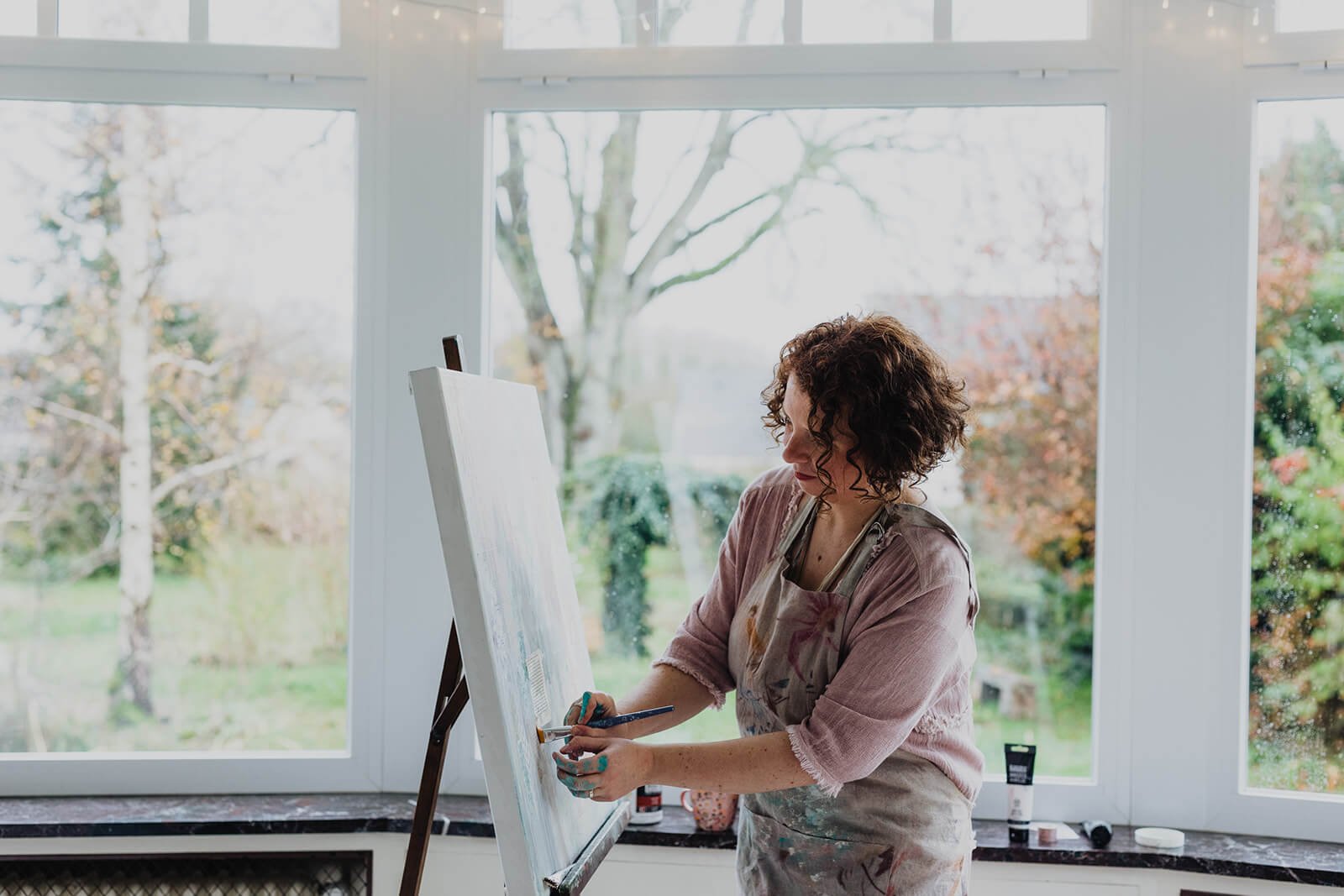
Practice is the key
That's one of the reasons why all of my online classes include lifetime access, because we grow with practice, practice, and more practice.
You can’t expect to take a class once and instantly become better at your art, or produce something unique and instantly find your artistic voice. Instead, I encourage you to revisit a lesson several times and take it as an opportunity to make more than just one piece.
Plus, revisiting a lesson months or even years later is a good way to see how much you’ve evolved from one season of life to the next. Each time you return, you'll notice something new. You'll bring new confidence, new experiences, and new ideas to your canvas or your art journal page.
That’s part of being an artist: we constantly learn and grow. And there is no right or wrong way!
Some will need to follow a lesson very closely, watching and creating at the same time, others will watch the whole class first, then put it aside and create their own interpretation, referring back to the lesson if needed, and others will take it all as inspiration, then run wild with it and do their own thing.
But don’t take my word for it, let me show you!

One lesson, many ways to learn
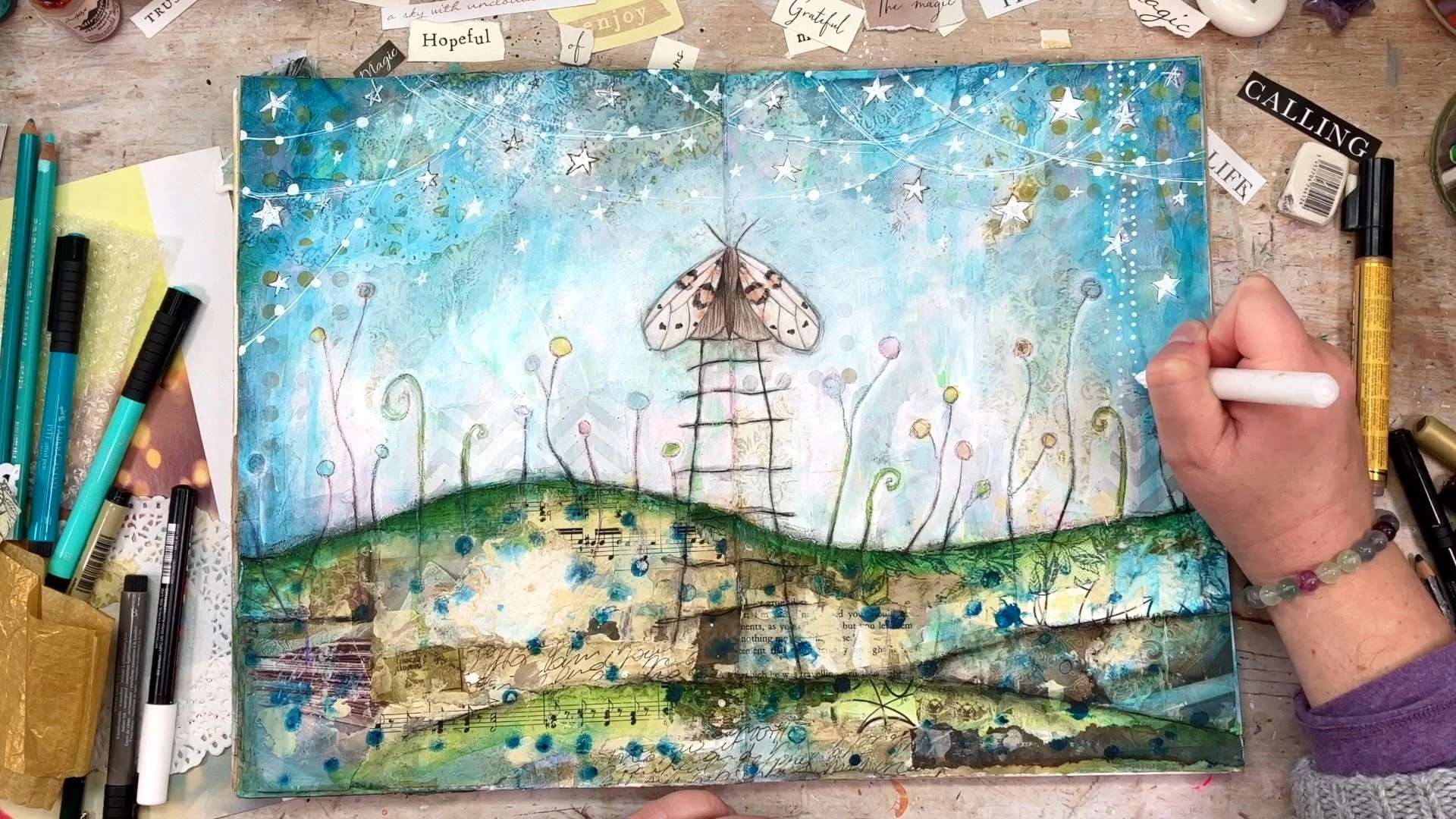
My latest online class, called Art Journal Dreams, is a perfect example. A few years ago, I offered it as a special one-week online event. Thousands of creatives from around the world came together and created from the same mixed media art journaling lesson.
A few months ago, I revisited the class and fell in love all over again. I was especially blown away when I unearthed the folder where I had kept all the student art! And that’s why I decided to offer Art Journal Dreams again, this time as a self-paced class.
Let me share those beautiful, real-life examples of the many ways you can approach a lesson, and learn in the way that best suits you, and that you’ll most enjoy.
I encourage you to click on the images that catch your eye so you can zoom in and really dive into those beautiful pages. Permission granted to feel inspired!
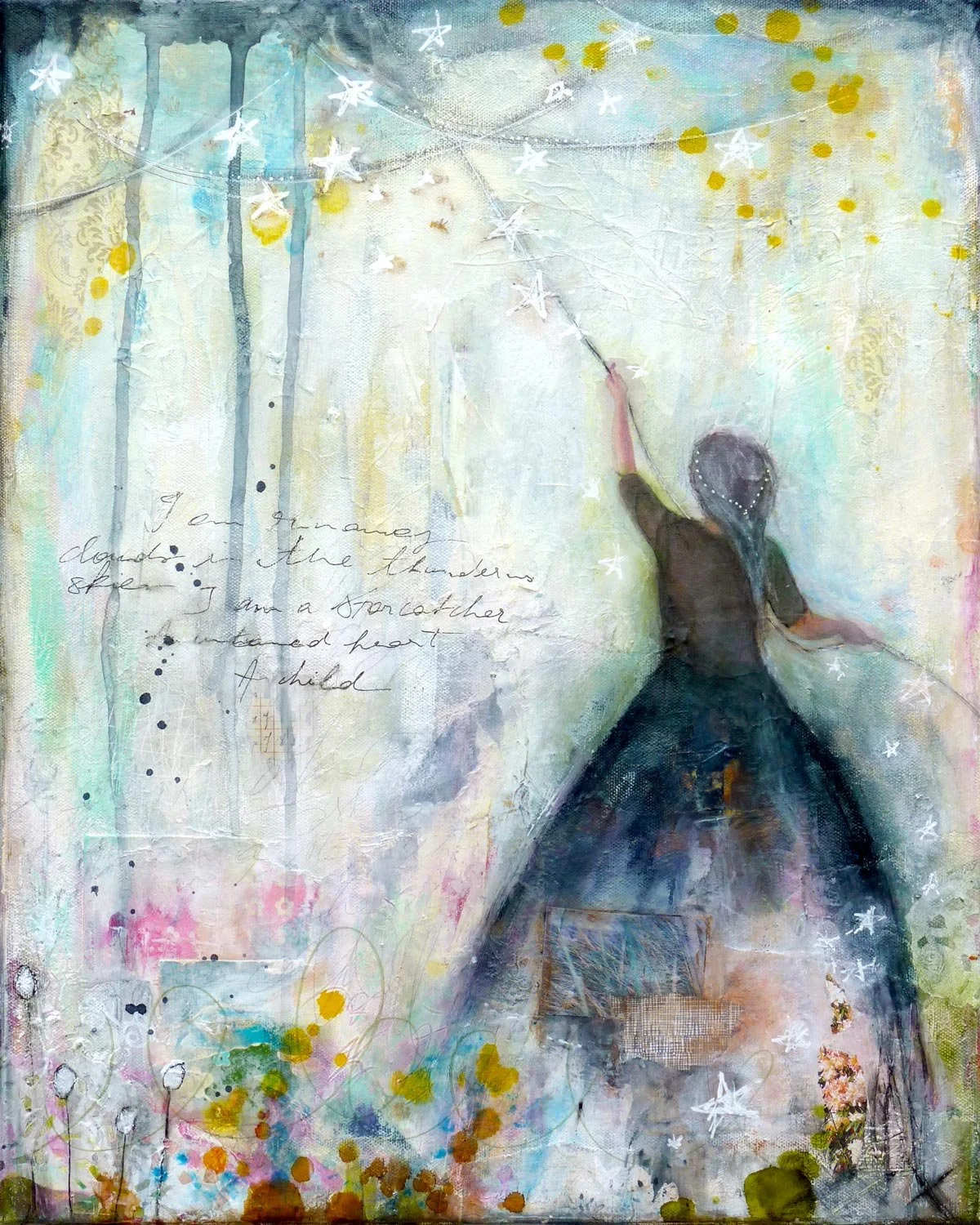
My own page from the Art Journal Dreams class:
1. Learn by Following
Many artists, especially when trying something new, enjoy following a lesson closely from beginning to end. This is such a valuable way to learn.
It allows you to focus on discovering new techniques without having to make lots of creative decisions all at once. Following someone's process helps build confidence, develop new skills, and discover techniques that gradually become your own.
Just keep in mind that when you copy from a lesson, it’s a learning experience, nothing more. It’s not art that you can sell or share as being your own.
But even when everyone follows the same lesson, every page still reflects the unique person creating it:


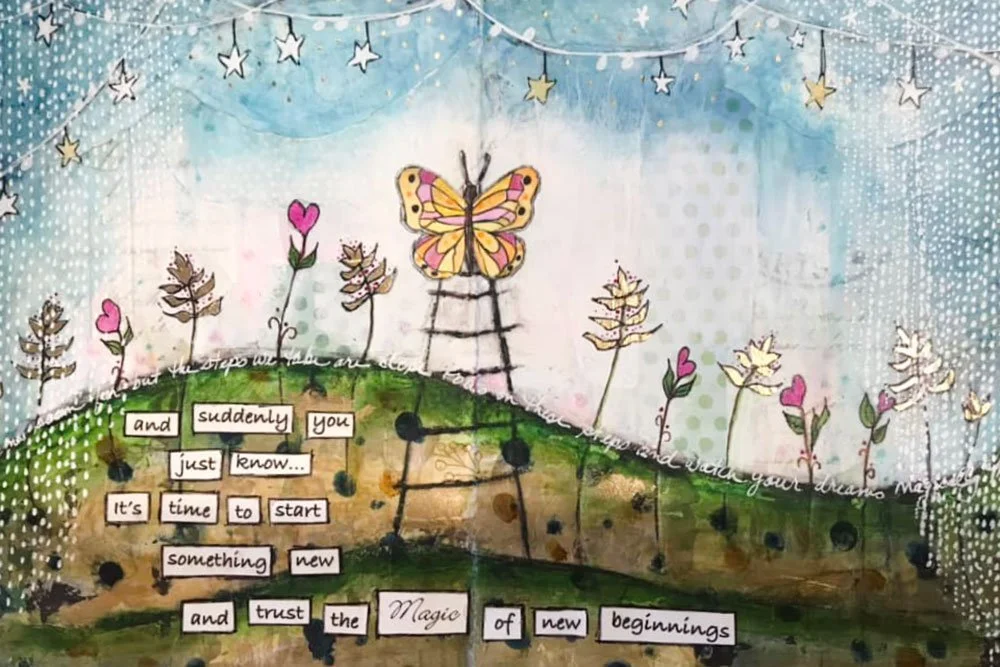


“I am just looking at all the wonderful takes on this retreat and see so much diversity with each one. Each one reflects what a wonderful and inspiring teacher that you are. Thank you for all the time and effort you put into these lessons. » — Diana A.

2. Learn by Exploring
As confidence grows, many artists naturally begin changing colors, trying different materials, adding personal symbols, or experimenting with new ideas.
This is where curiosity begins leading the way.
You start asking, "What would happen if I tried this instead?"
There are no rules saying your page should look exactly like the teacher's, nor be completely different. Exploring is one of the most joyful parts of developing your own artistic voice.



3. Making the Lesson Your Own
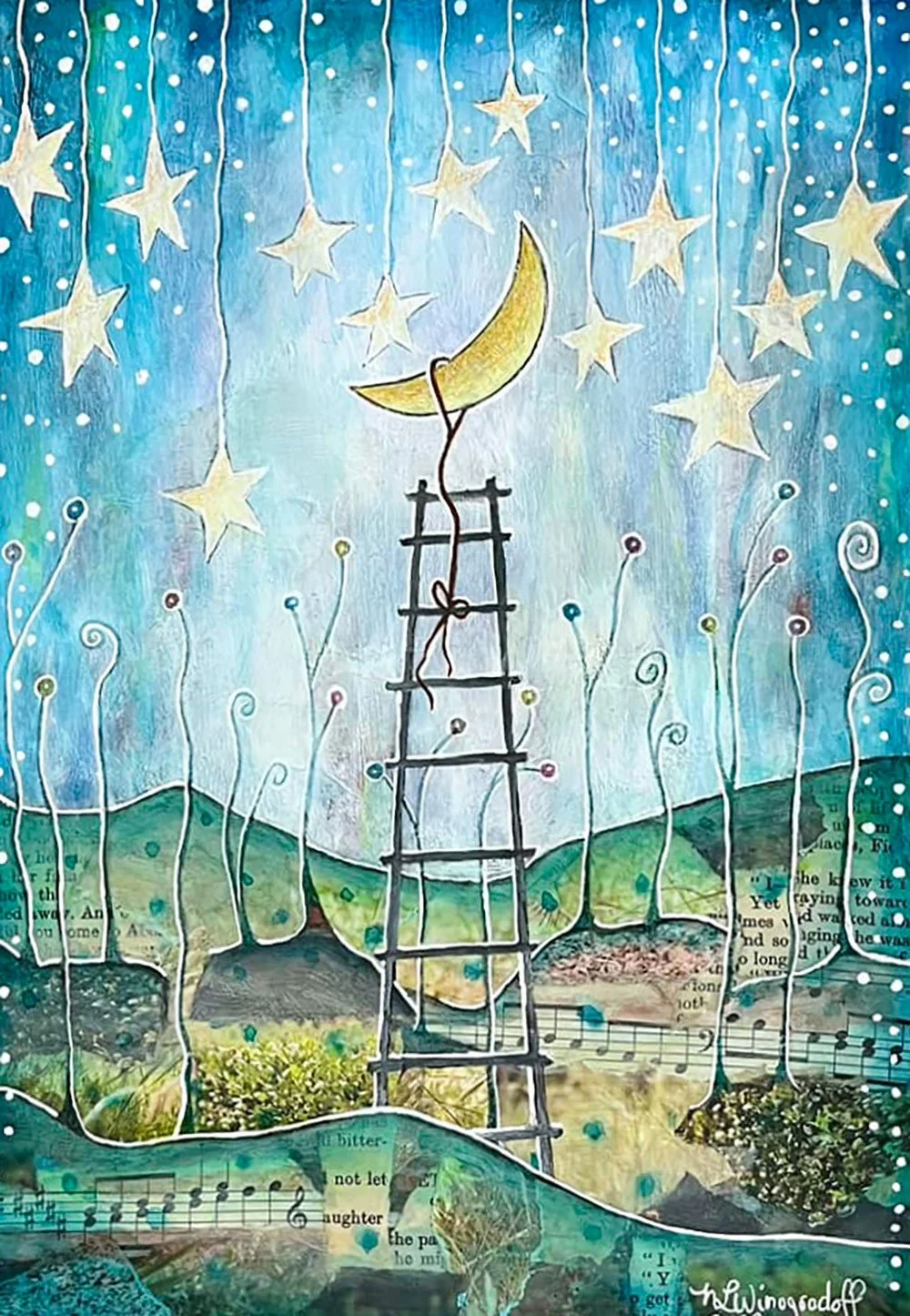
Eventually, many artists become much freer, and their art becomes a looser interpretation of the lesson.
Some elements remain, but the composition, colors, symbols, and stories begin reflecting their own imagination much more than mine. Some kept the main elements but interpreted them in a completely different style. Some brought whimsy and fun to their pages, and I love how they make me smile!
What happens here is that the lesson becomes a springboard rather than a destination, inviting each artist to follow their own playfulness and curiosity.


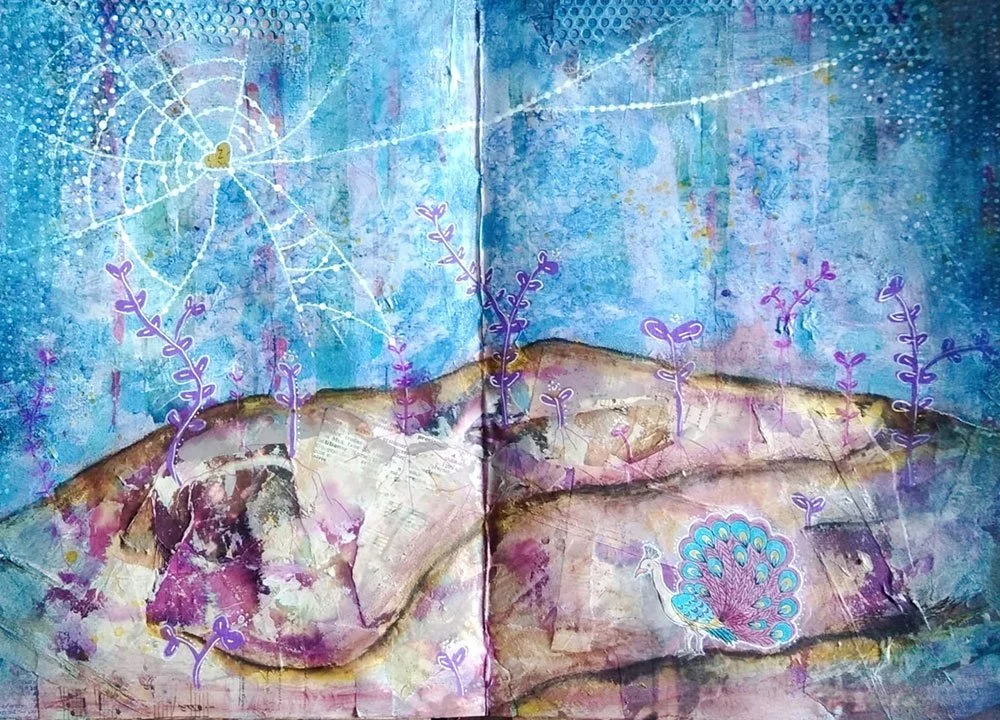


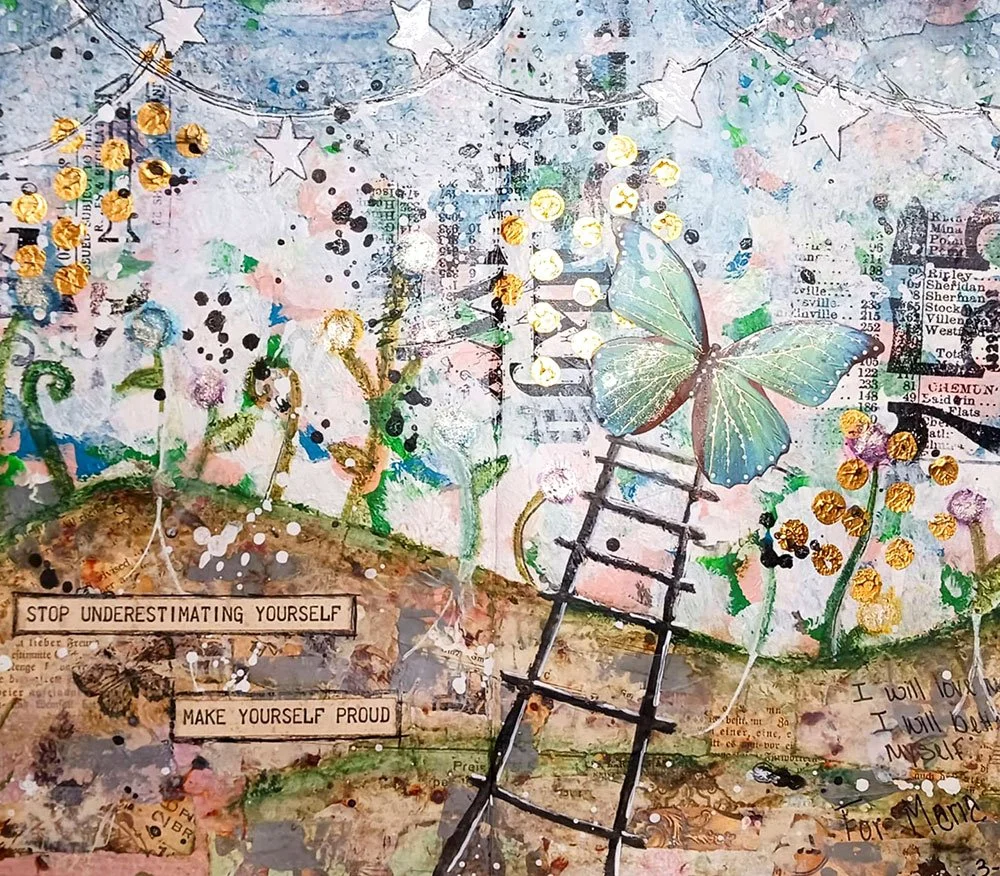

"I love knowing that all across the globe people are gathered together, all drawn by a desire to create beauty and share a part of themselves with the rest of the universe. Thank you for creating a safe and nurturing place for all of us to overpower our inner critics!" — Cristy P.
4. Creating from Your Own Heart
And then, sometimes, something truly magical happens.
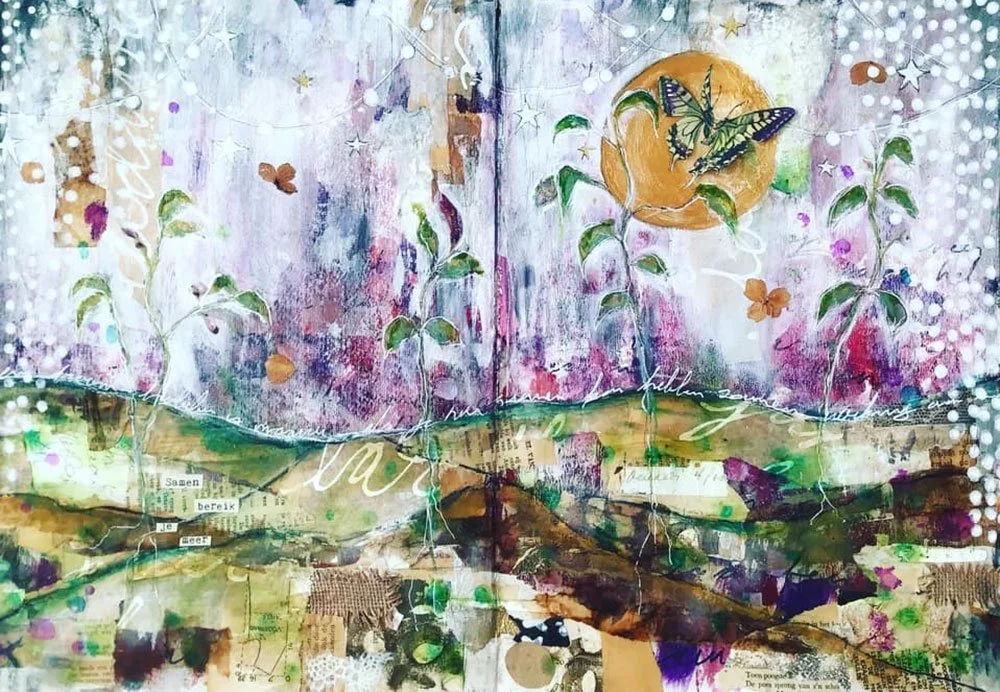
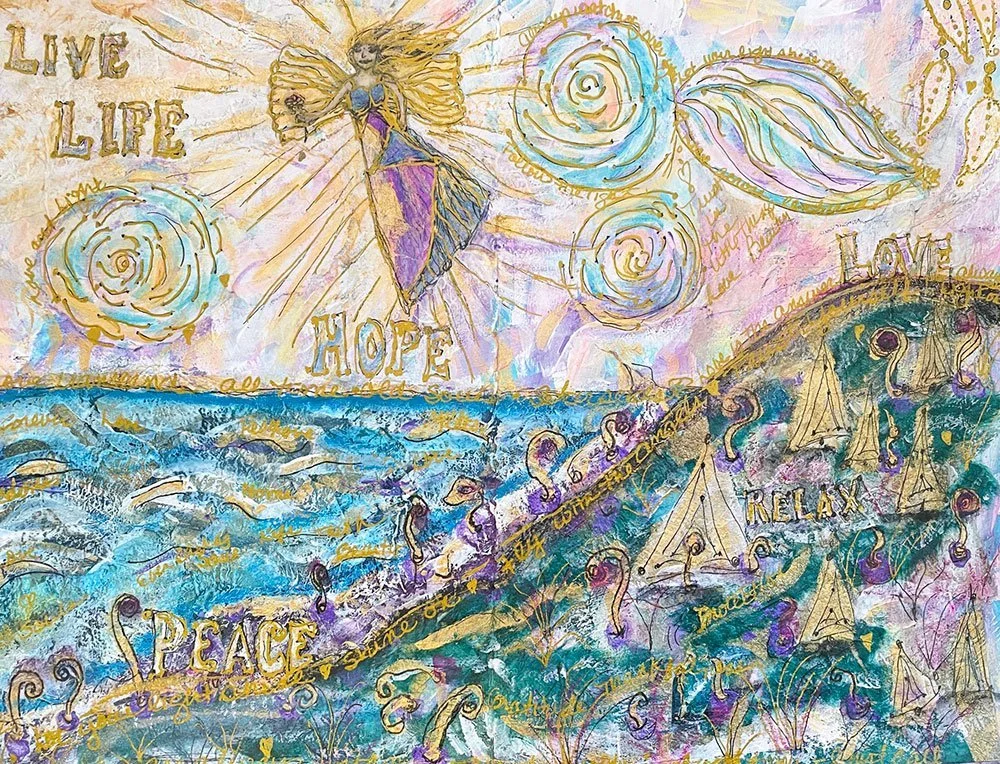
I look at a page and would never guess it began with one of my lessons. The colors are different. The imagery is different. Even the techniques may have changed completely.
And yet, I recognize something. Not my artwork, but the intention behind it. The willingness to explore layer by layer. To trust intuition. The symbolic journey unfolding as the page evolves. The freedom to let the artwork become a reflection of something deeply personal.
To me, this is one of the greatest joys of teaching. My hope has never been that students paint like me. It's that they discover their own artistic voice.
When that happens, the lesson quietly fades into the background, making space for something entirely their own.




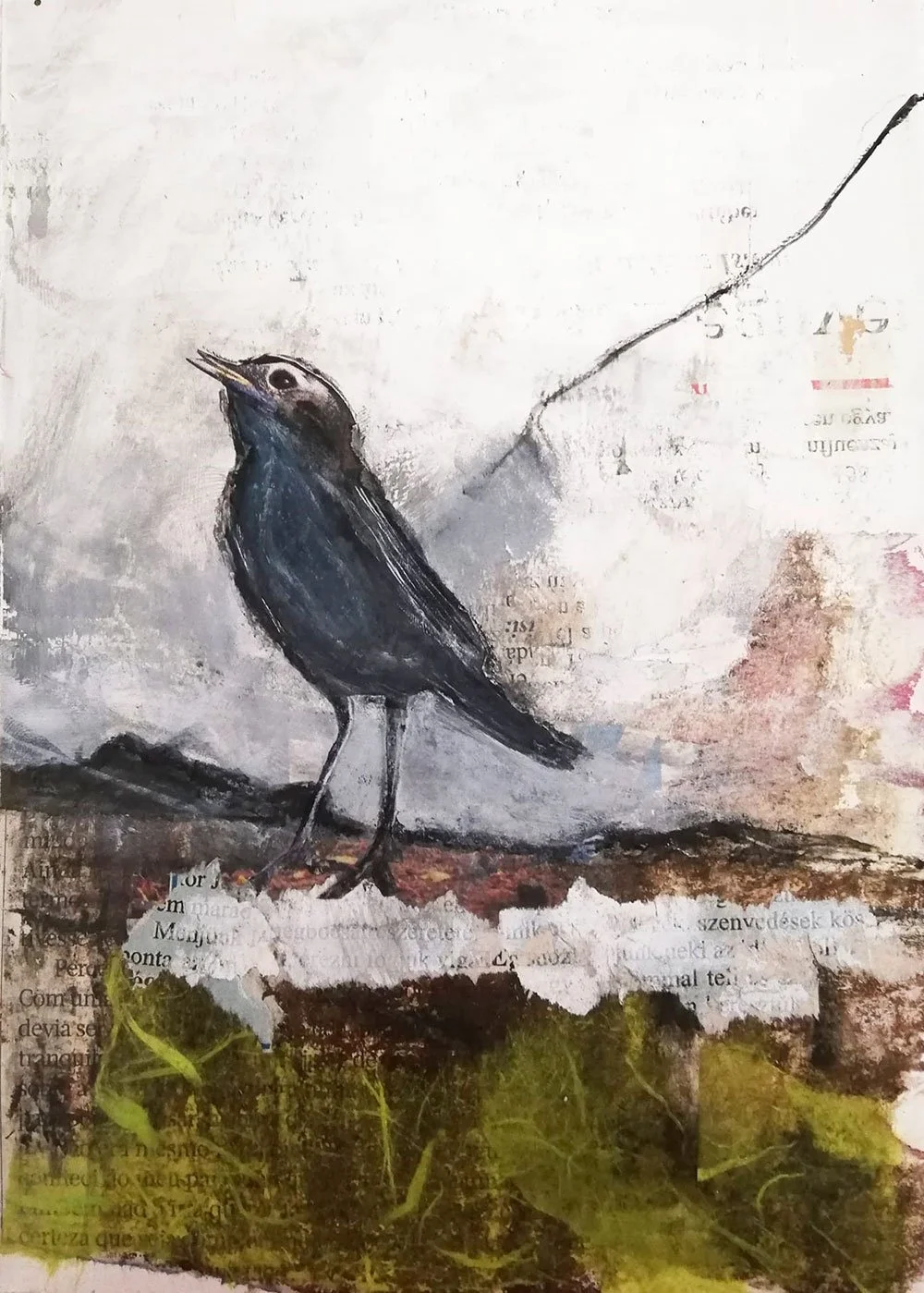
Why Art Journaling Is Such a Wonderful Place to Learn
Looking through these galleries, I'm reminded that learning art isn't about creating one perfect piece. It's about giving yourself permission to explore. To experiment. To follow a lesson when you need guidance, then gradually make it your own as your confidence grows.
That's one of the reasons why I love art journaling so much.
Because it's a private, forgiving space where there's no pressure to get everything right. Every page becomes an opportunity to try something new, play with different materials, discover meaningful symbols, and let your creativity unfold one layer at a time.
It's also one of the reasons all of my online classes include lifetime access.
The first time you work through a lesson, you may stay quite close to the example. When you revisit it months later, you might find yourself making different choices, trying new techniques, or following an unexpected idea. The lesson hasn't changed, but you have.
That's the beauty of a creative practice. We keep growing, and our art grows with us.
“What I think is fascinating about all these pages is the variety of styles and ideas and creativity that’s come from a single example. It comes from a personal outpouring of emotion and a need to express it in some way. Thank you, Laly, for creating a safe space to do this.” — Yvette W.
If these galleries have inspired you, I'd love to invite you to experience Art Journal Dreams for yourself!
Together, we'll create the very page that inspired all of these beautiful interpretations, one meaningful layer at a time. And who knows... your own unique version might become the next reminder that there is no single right way to learn art.
I'd love to see where your creativity takes you!
Light, Love & Fairy Dust,
Latest musings:
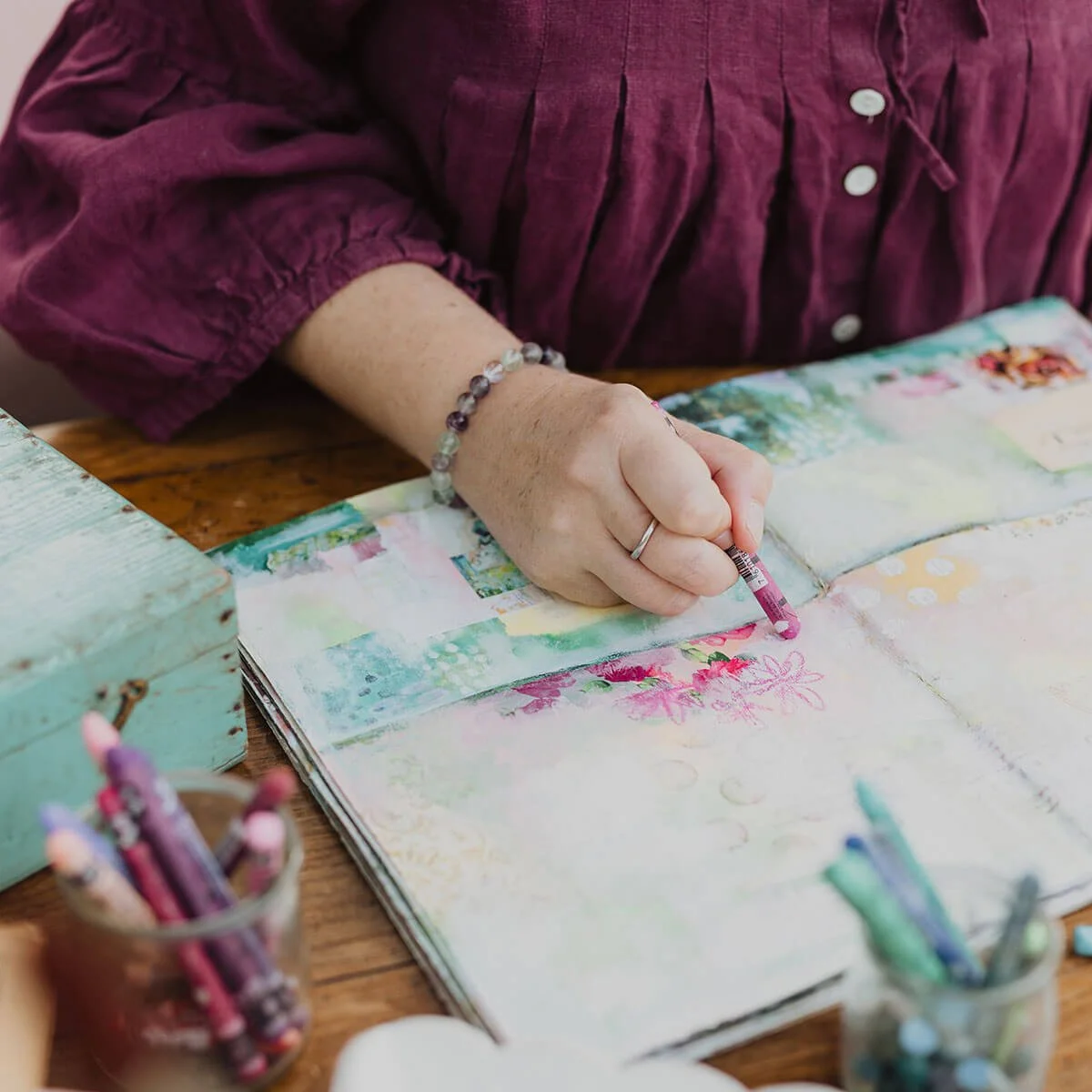
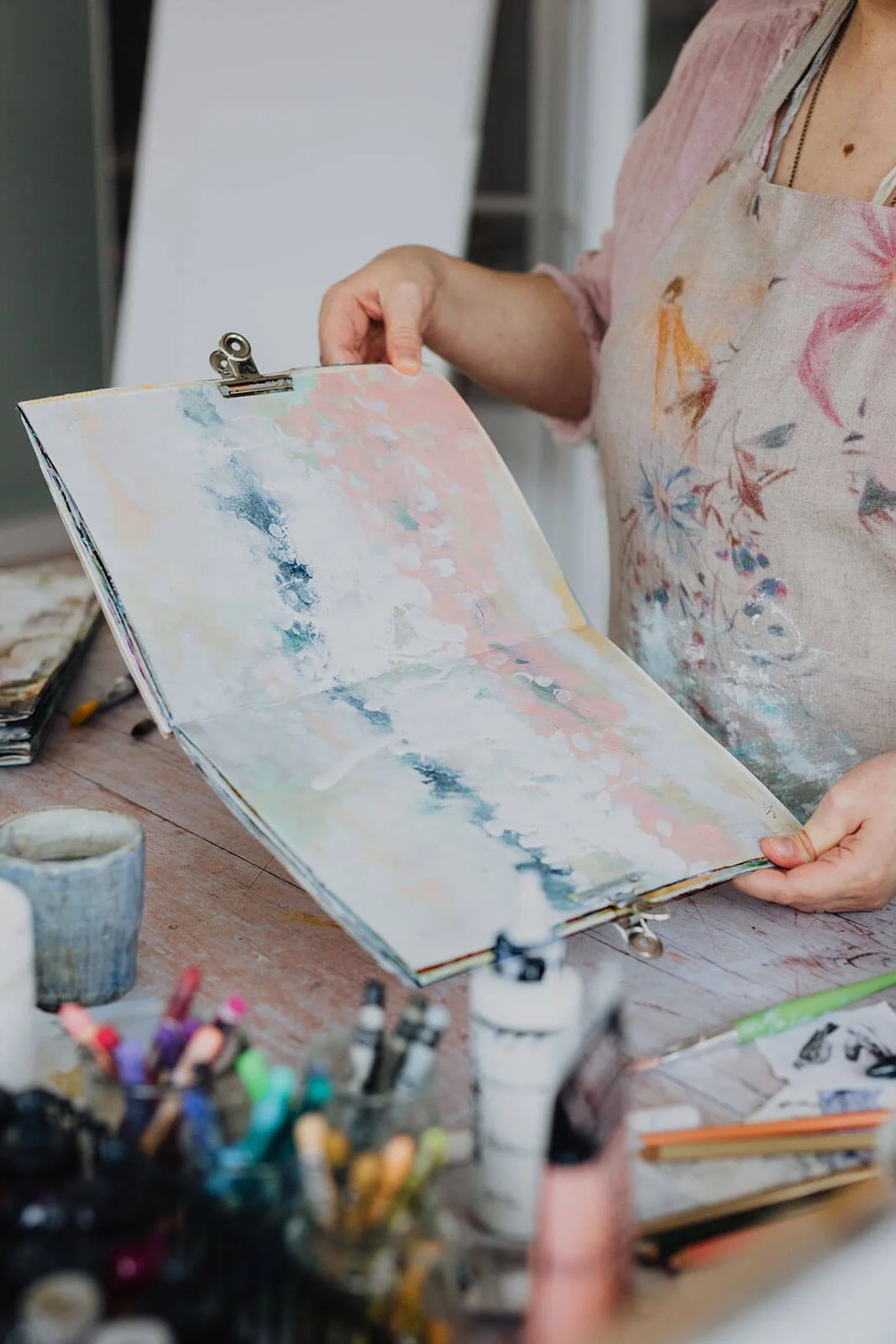
Have you ever worried that your artwork looks too much like your teacher's? Explore real student artwork and discover why following a lesson is a natural part of learning art, and how art journaling helps your own creative voice emerge over time.