
Mixed media art techniques

Mixed media art techniques
Beautiful Ways to Add Layers and Story to Your Art
This article is the second part of “The Gentle Guide to Mixed Media Art” , where we explore mixed media, creative techniques, and the joy of art journaling!
If you’d like to start at the beginning, click here: Part 1: What Is Mixed Media Art?
Then continue with the article here!
Sweet creative soul,
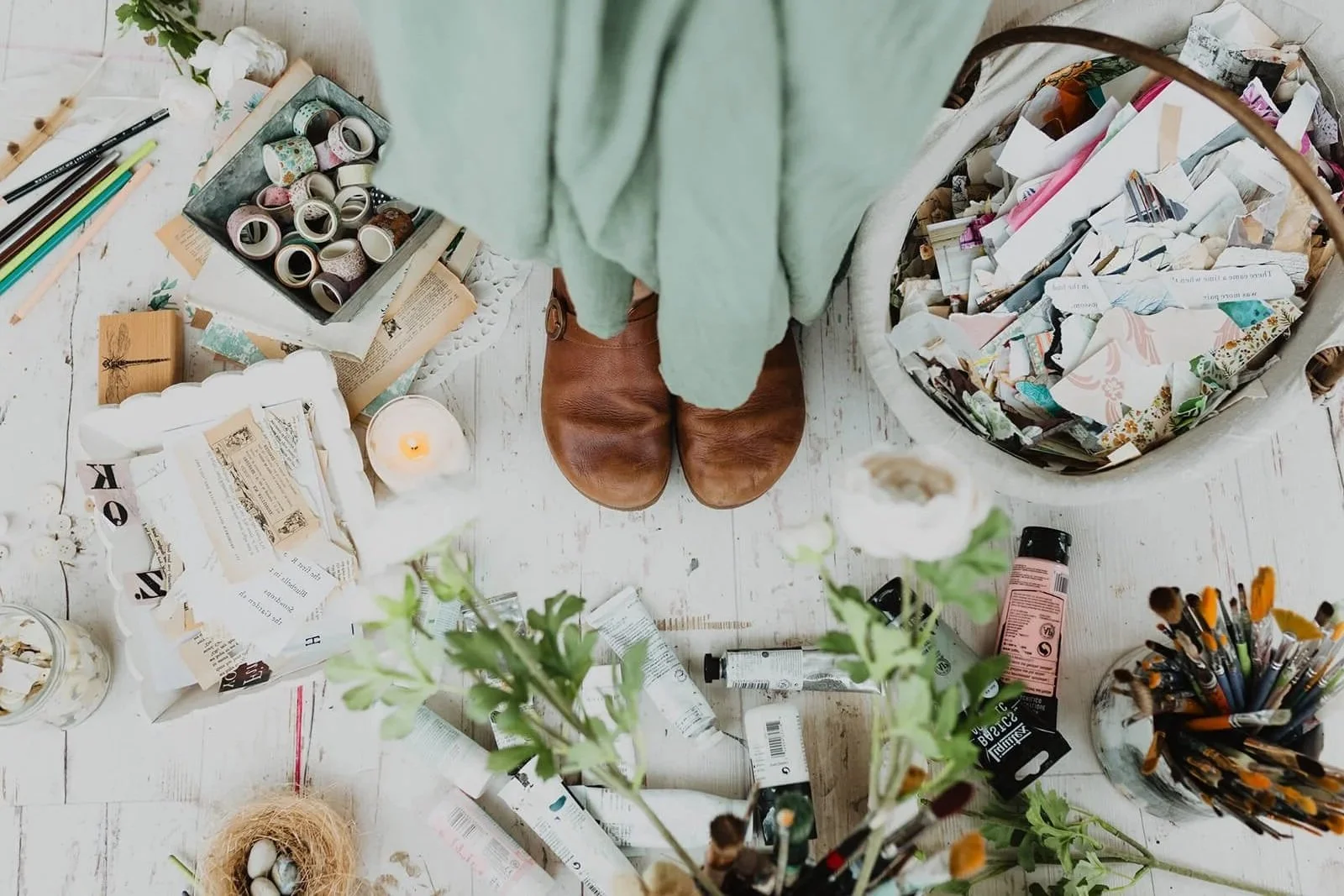
One of the most joyful aspects of mixed media art is the incredible variety of techniques you can explore.
Each technique brings its own texture, rhythm, and expressive possibilities.
Here are a few techniques I return to again and again in my own creative practice. I hope they will inspire you and spark a few ideas!
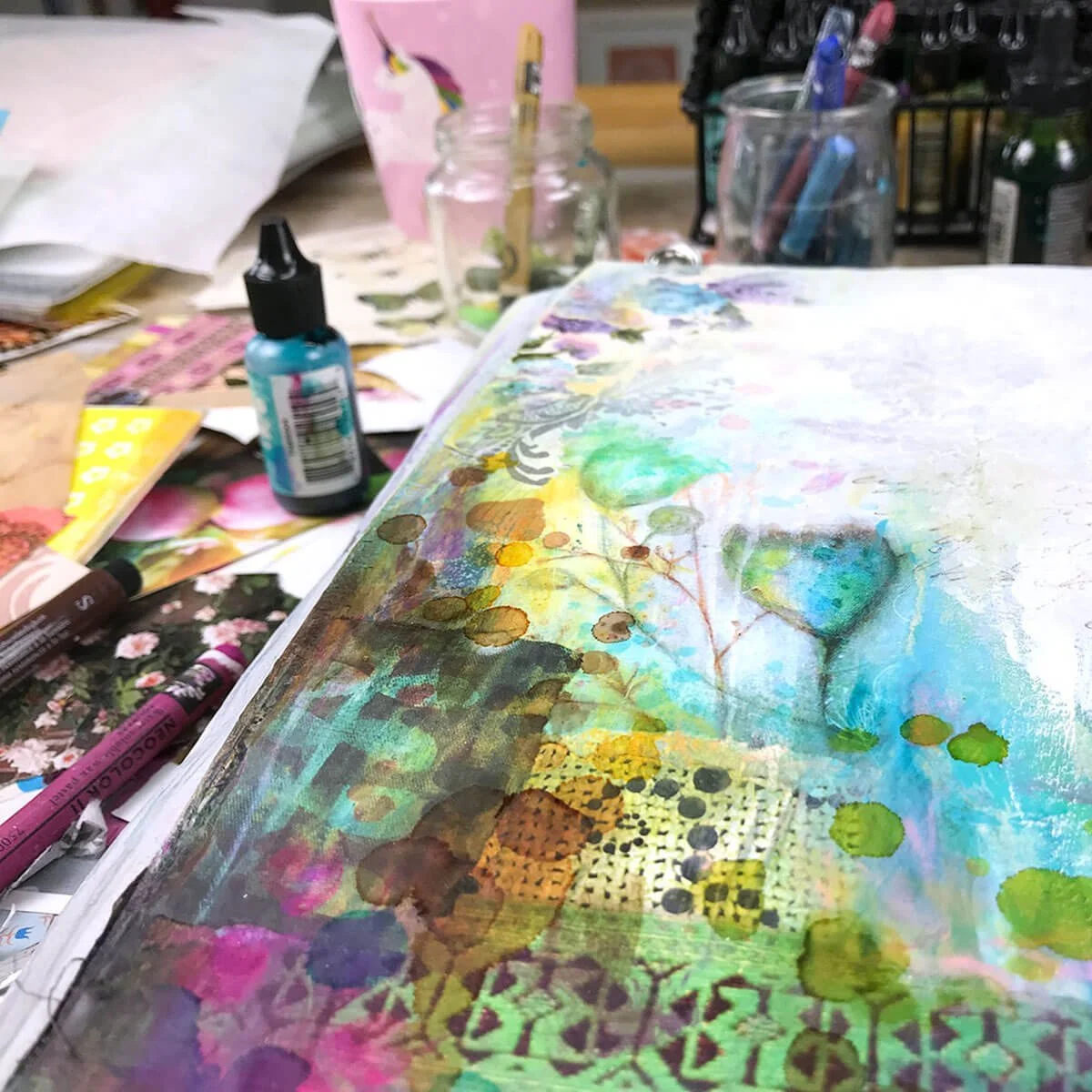
Layering
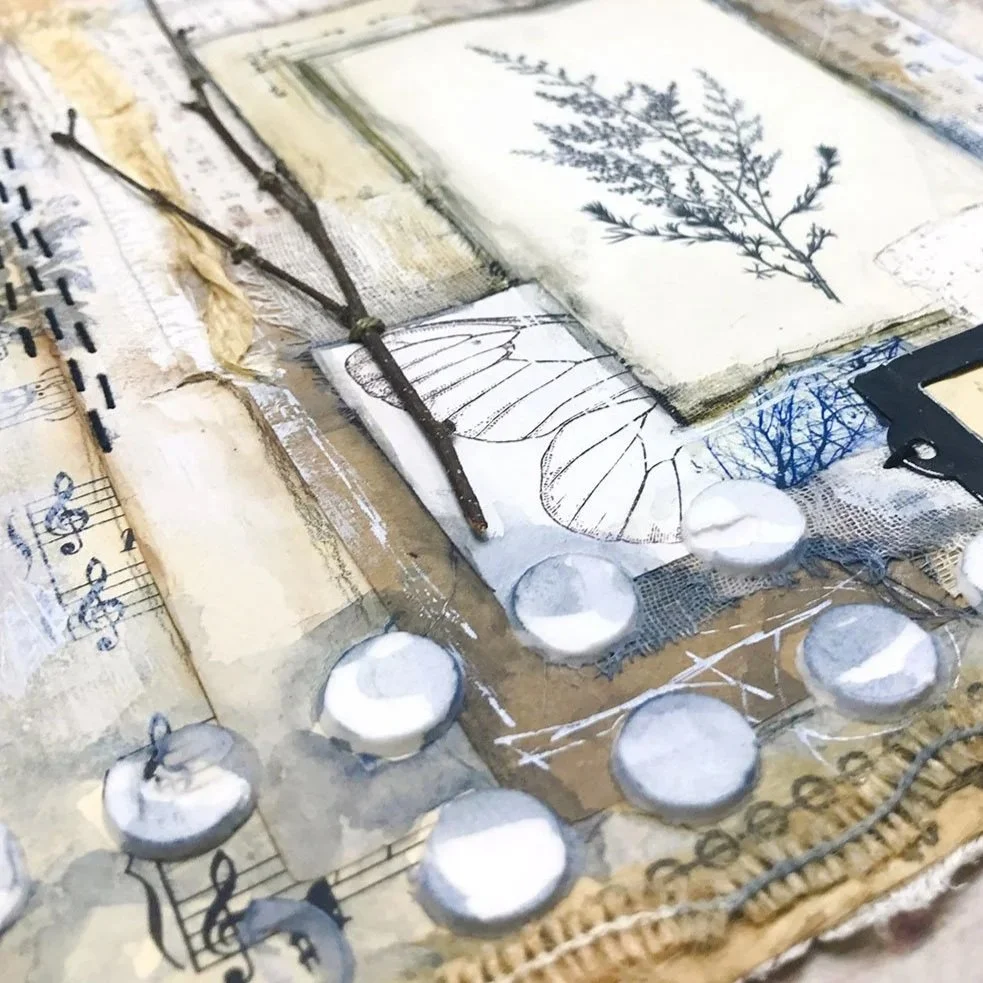
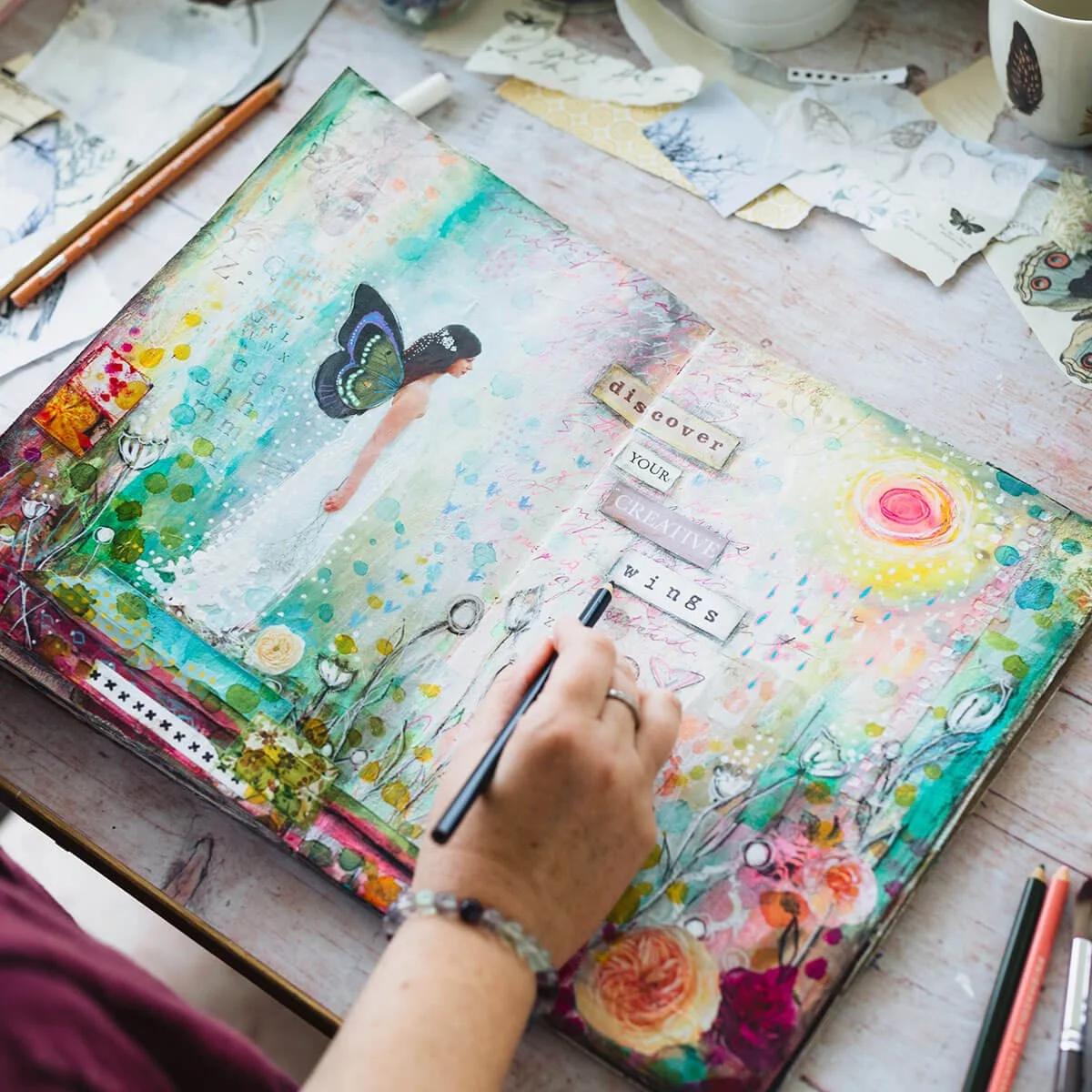
Layering sits at the heart of mixed media.
Each layer — paint, collage paper, drawing, texture — adds depth and mystery.
Some layers remain visible.
Others become hidden.
But they all contribute to the story of the piece.
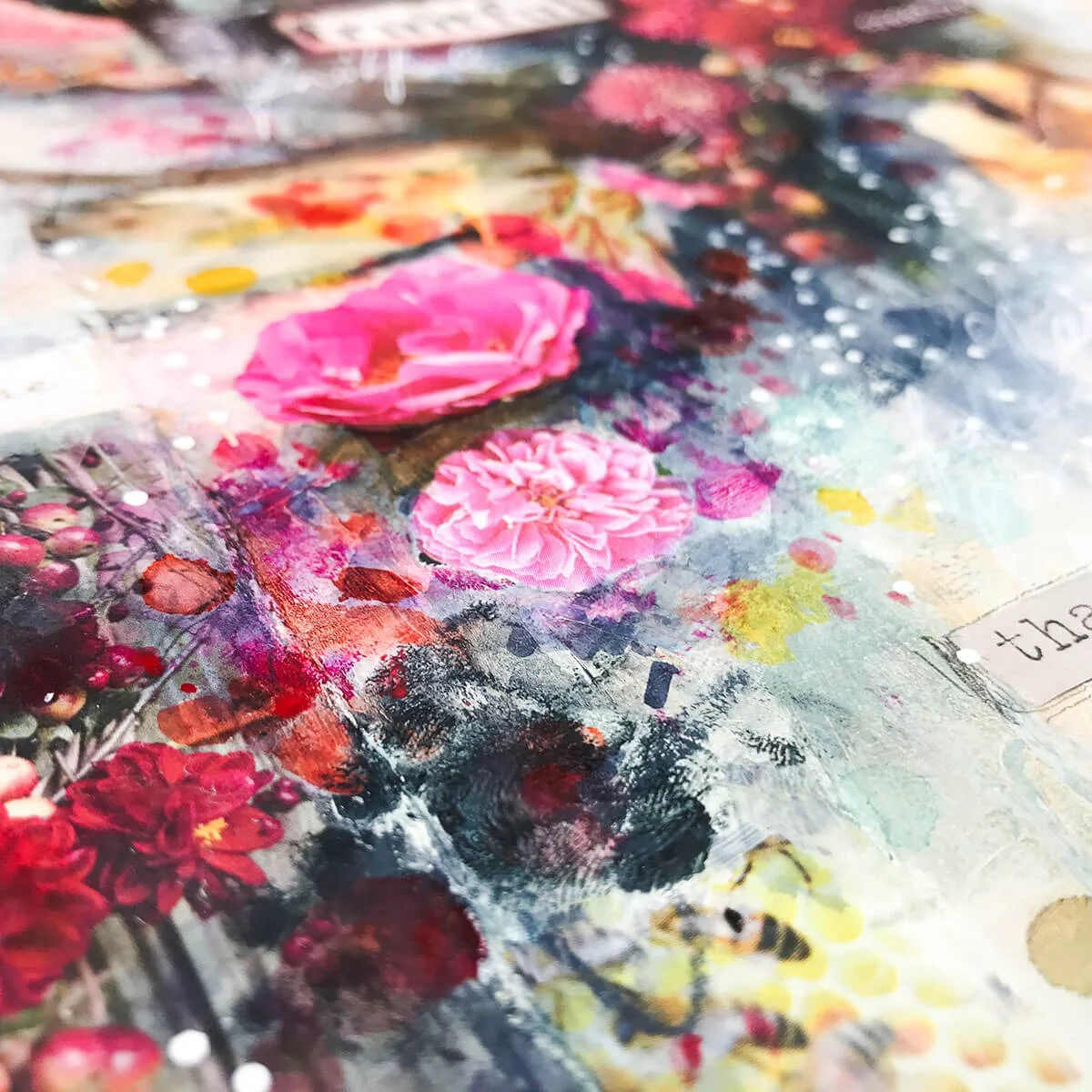
Collage
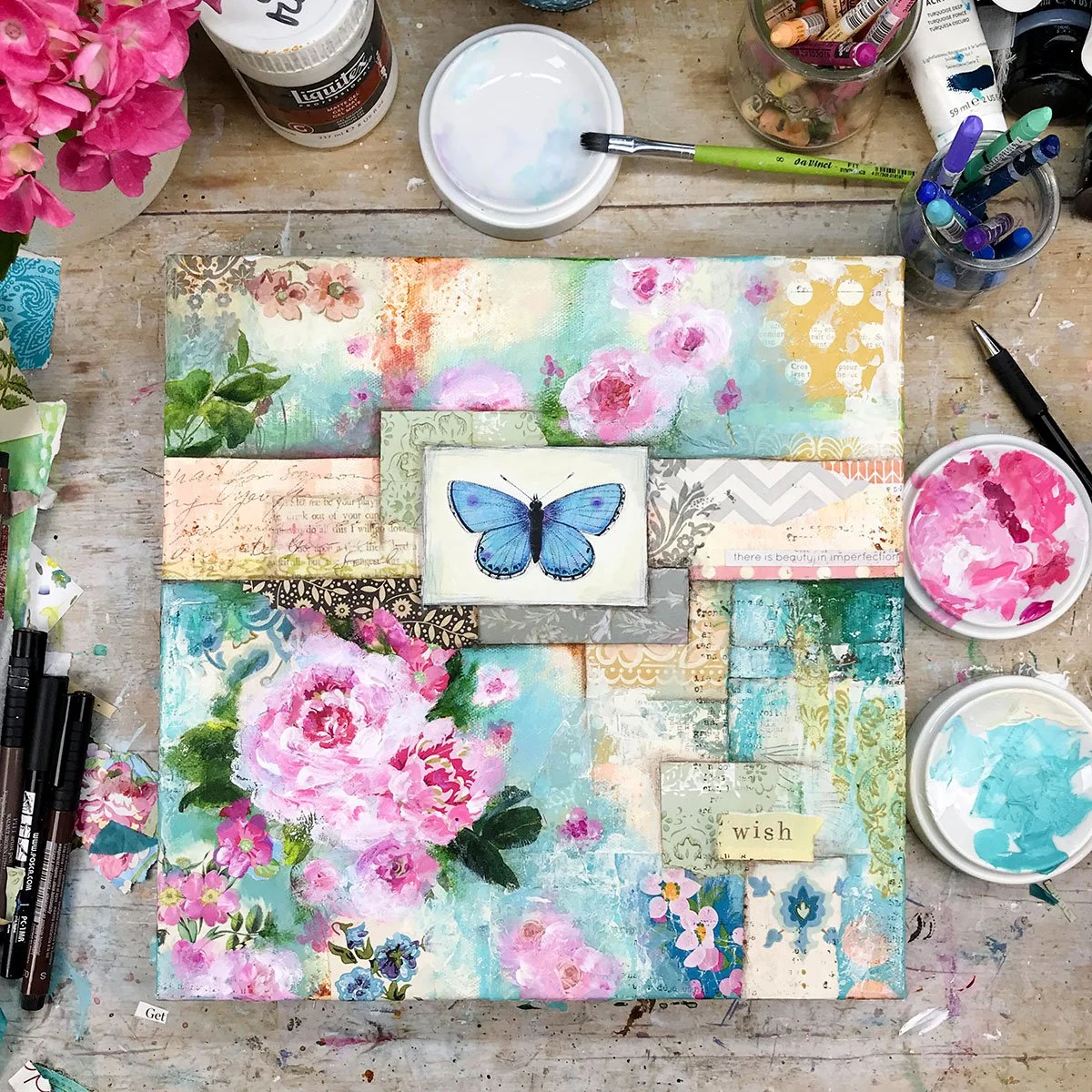
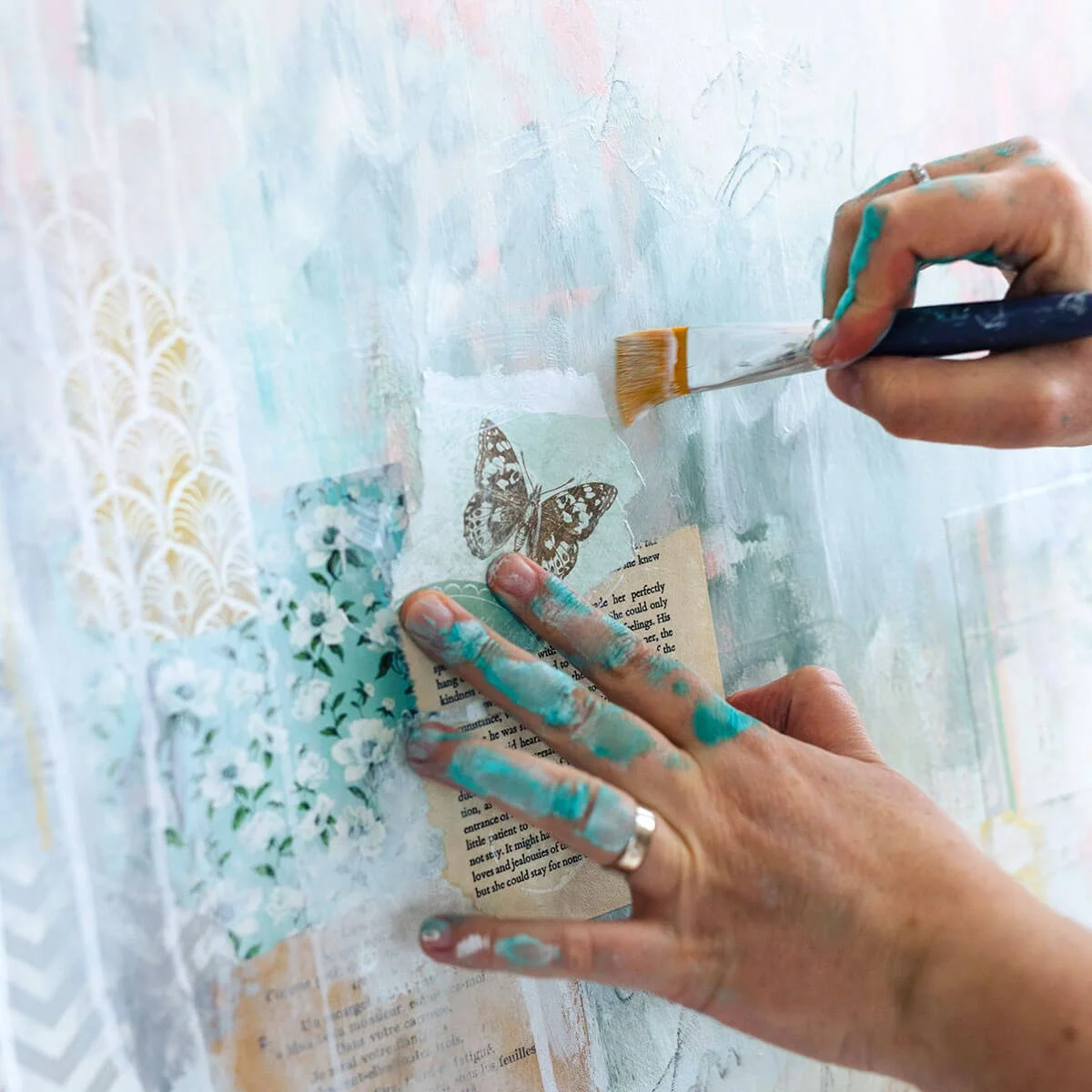
Collage is wonderfully playful.
You gather fragments:
book pages
painted papers
fabric
vintage photos
magazine clippings
Then rearrange them until something meaningful begins to emerge. It feels almost like writing poetry with images…
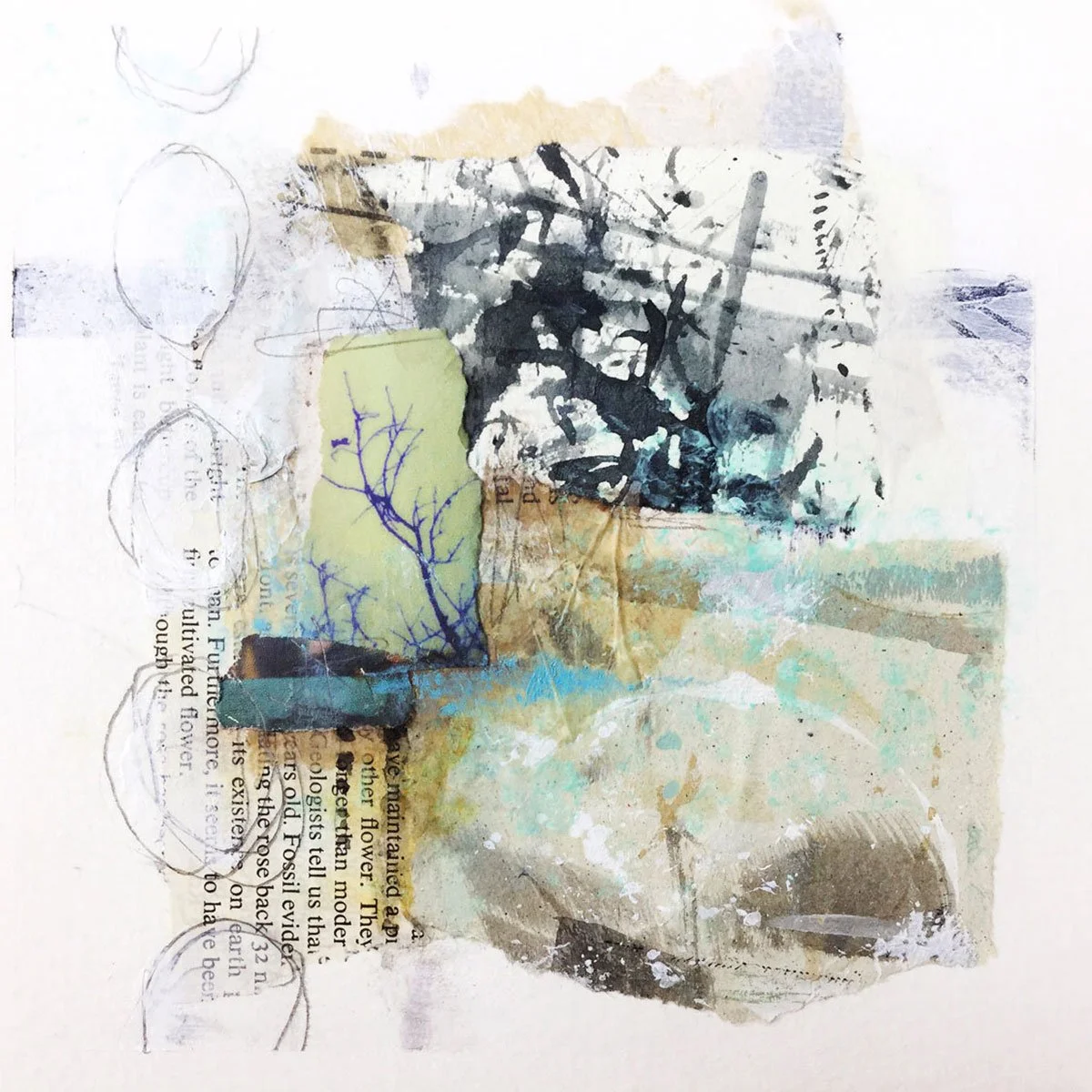
Mark making
Loose pencil lines, scribbles, brush strokes, and ink marks bring movement and energy to your work.
These spontaneous gestures help guide the viewer’s eye across the page.
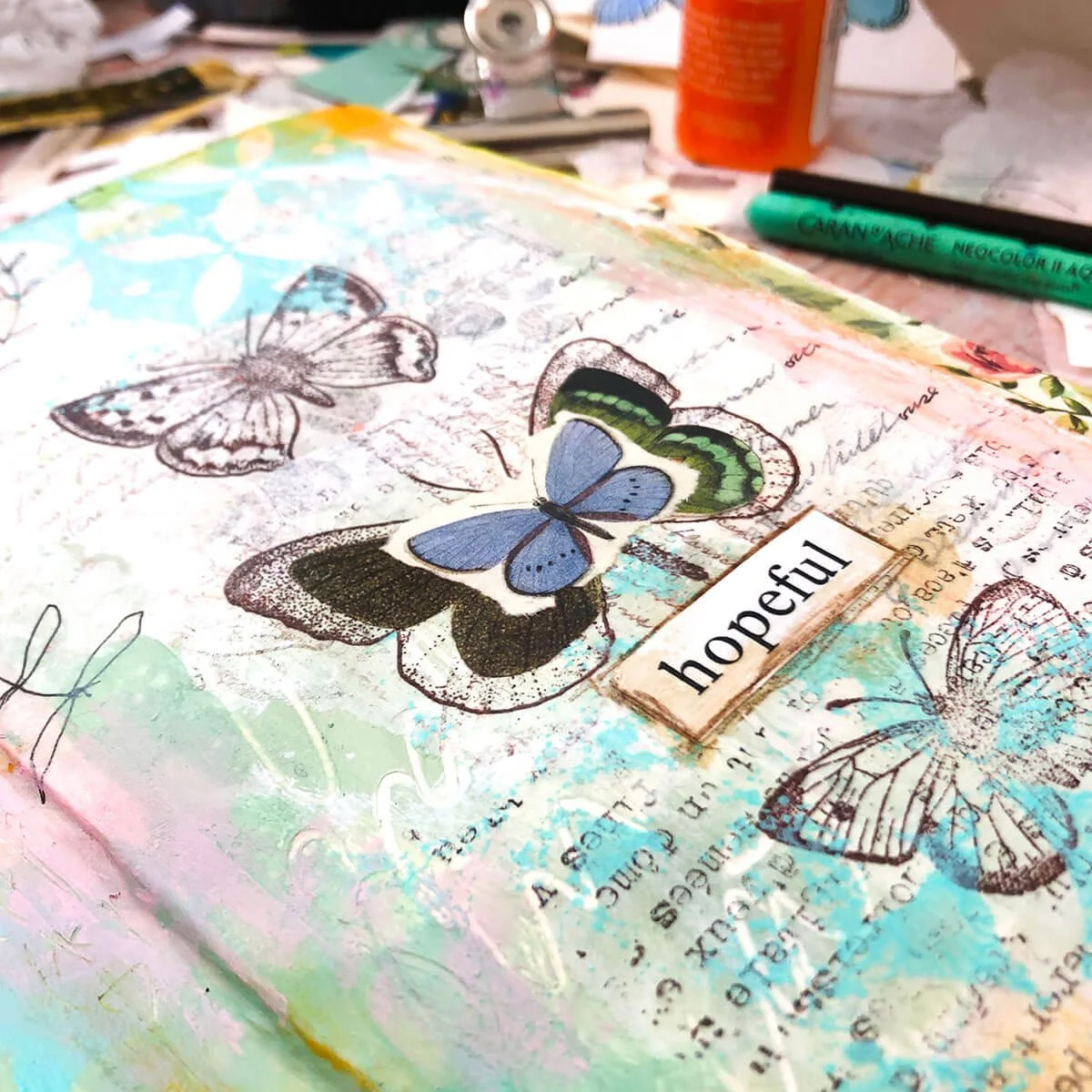
Stamping & impressions
Stamps, stencils, lace, leaves, and textured materials can add beautiful patterns and rhythm to your artwork.
These repeating marks create harmony while adding tactile richness.
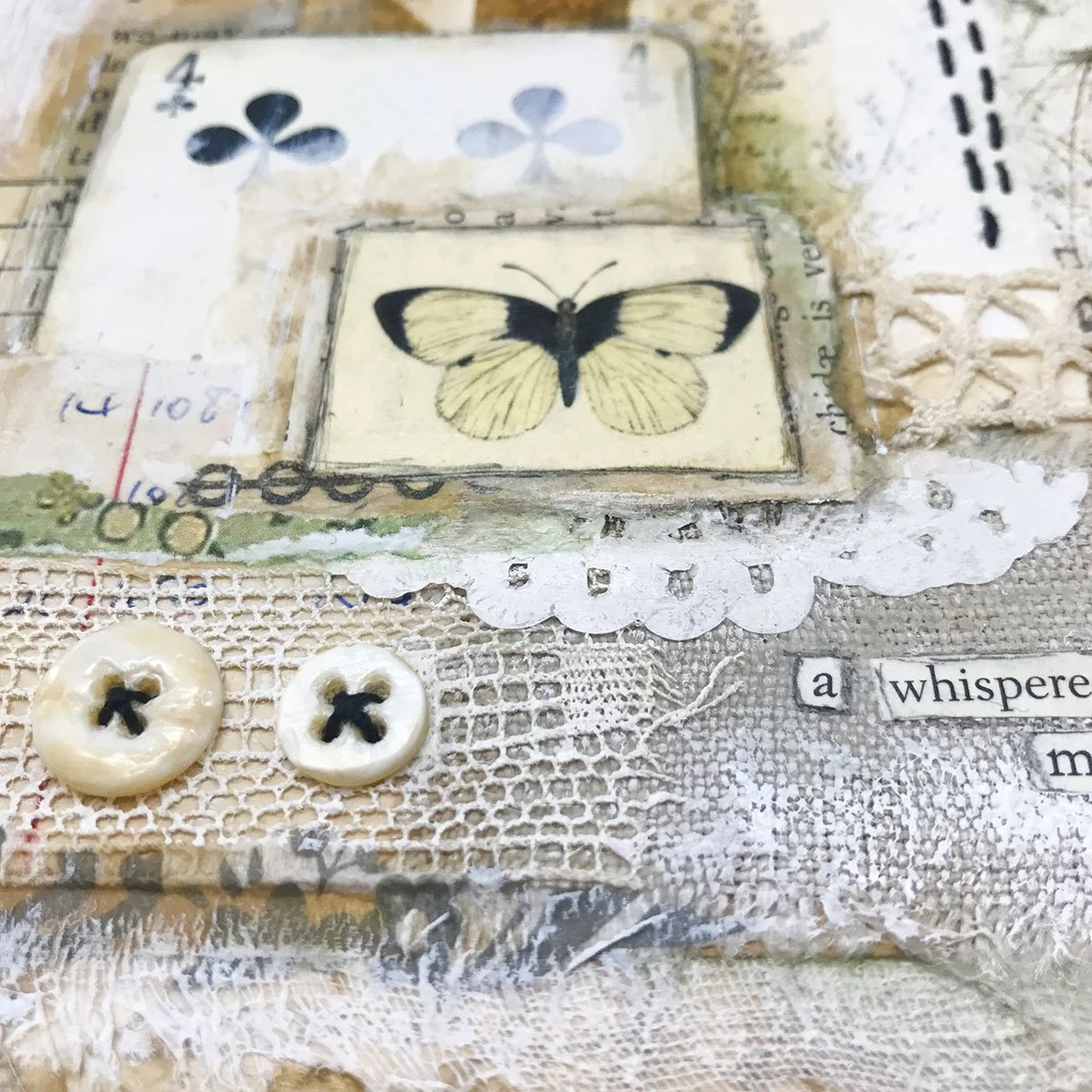
Texture & dimension
Mixed media art doesn’t have to stay flat.
Adding materials like thread, buttons, fabric or natural elements can transform a surface into something wonderfully dimensional.
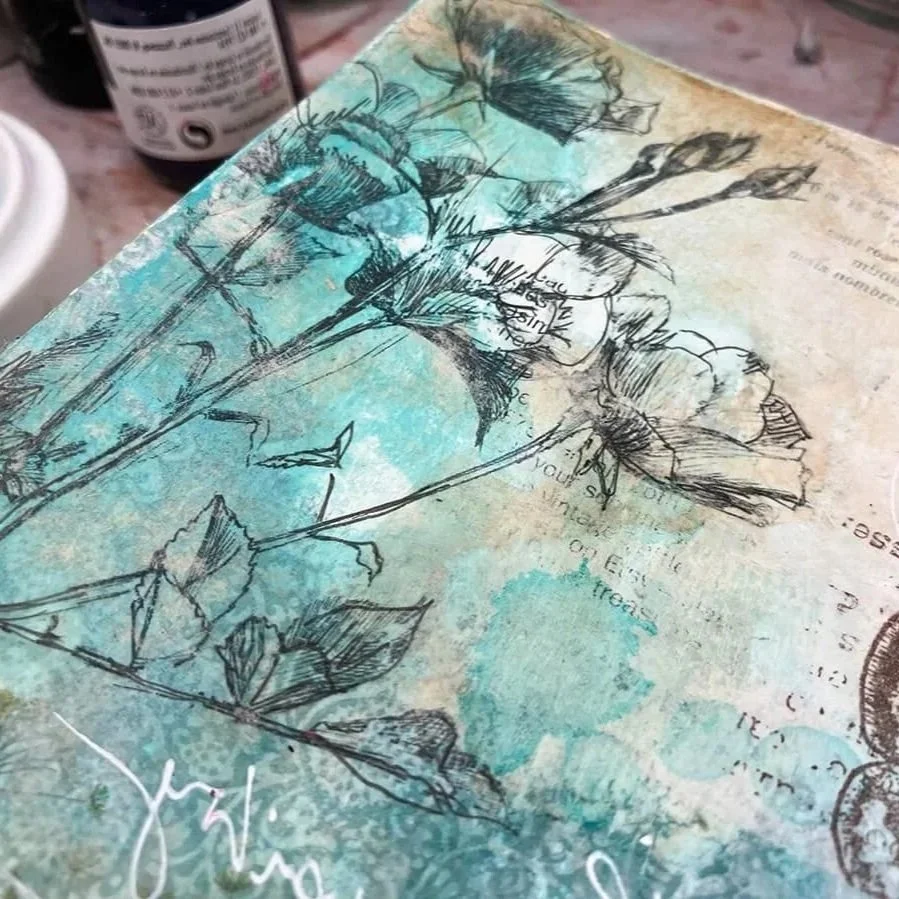
Image transfers
Image transfer techniques allow you to lift an image from one surface and embed it into another.
The result often looks soft, imperfect and slightly ghostly — which gives mixed media artwork a dreamlike quality.
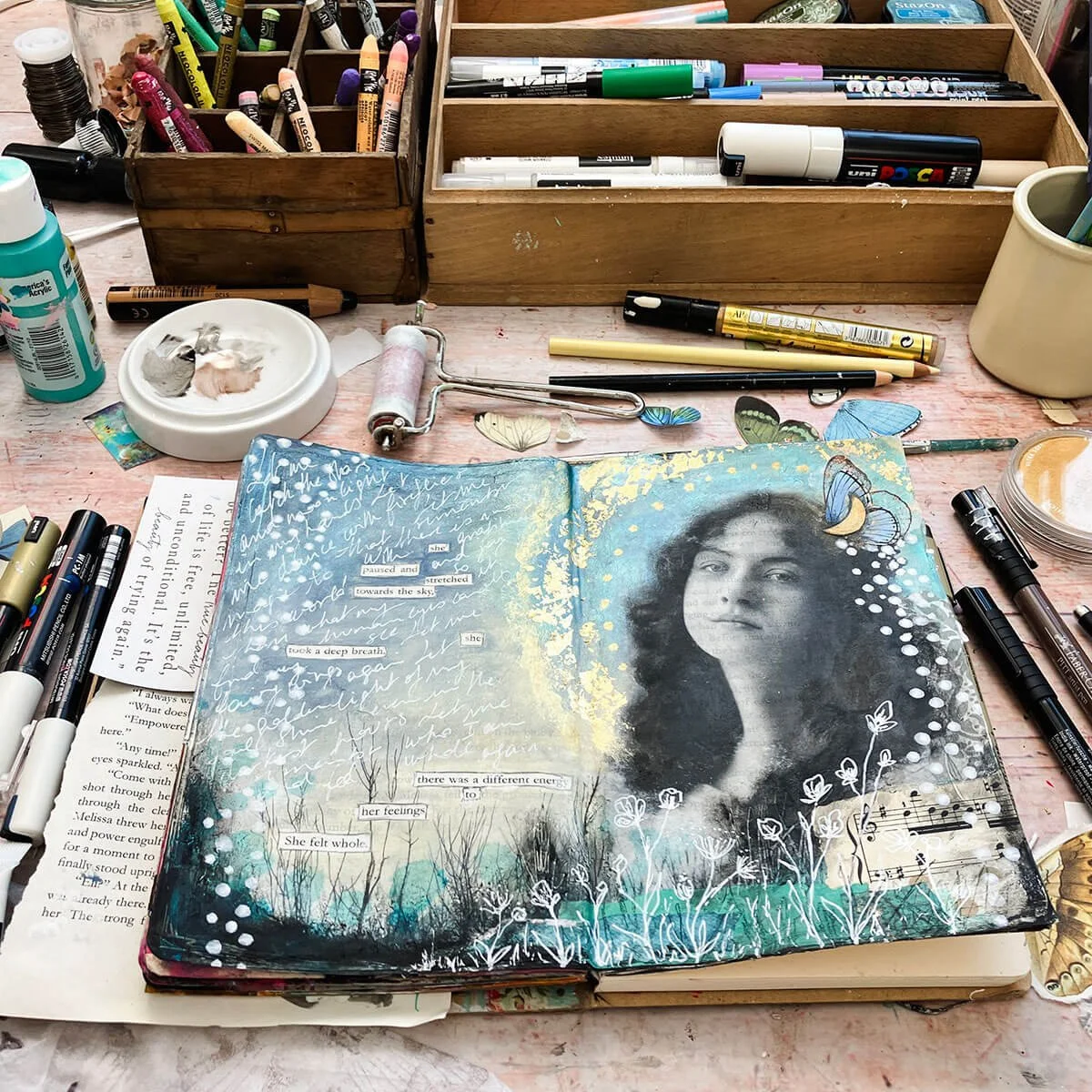
A gentle place to begin…..
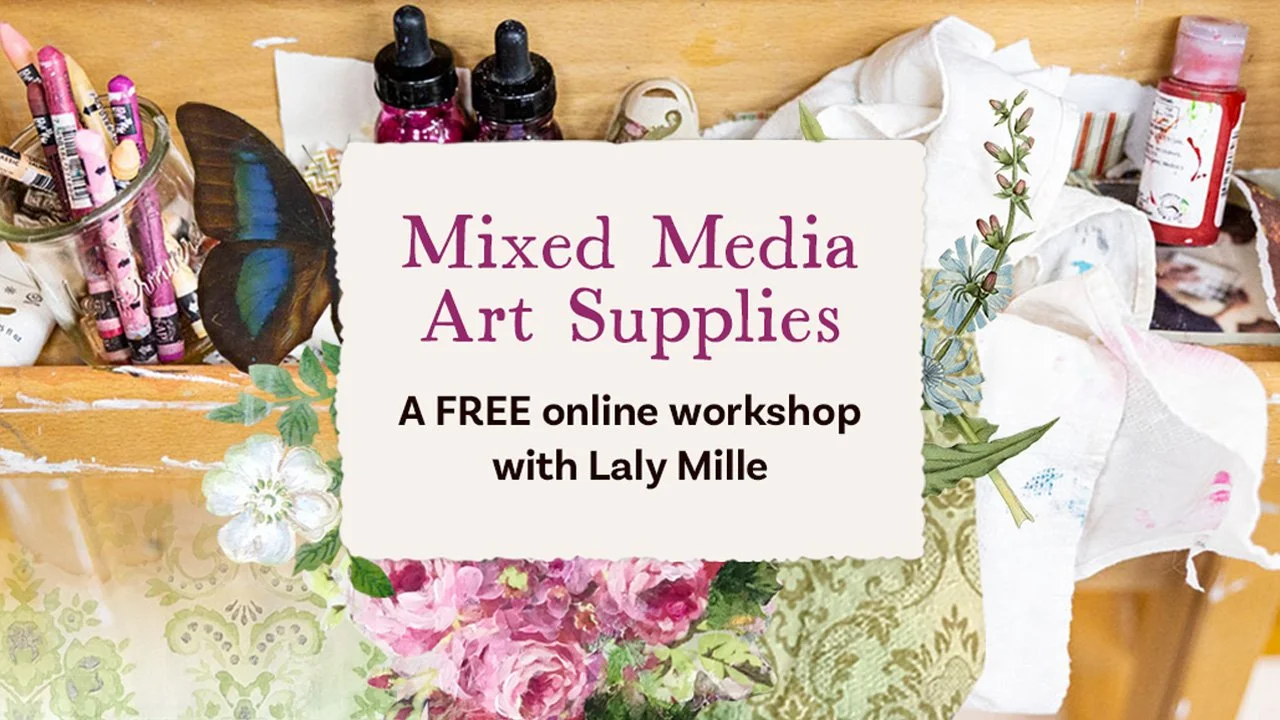
Curious about the supplies used in mixed media?
If you'd like a closer look at the materials that work beautifully for layering, collage and texture, I’ve created a free video series where I share some of my favorite mixed media supplies, with some of my best creative tips!

Mixed Media Materials for Beginners
One of the joys of mixed media is that you can use almost anything.
Some simple starting supplies include:
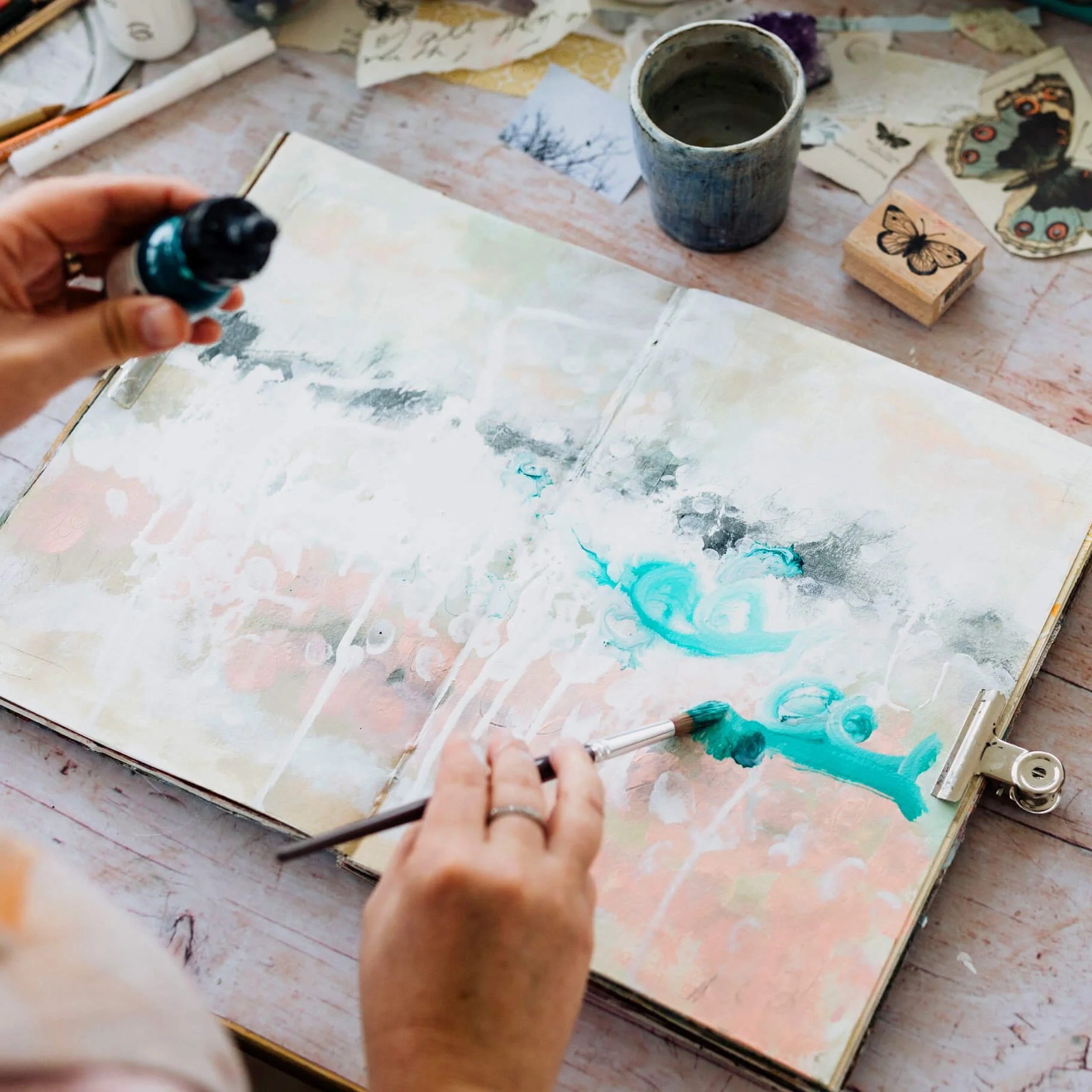
Paints
Acrylic paints
Craft paints
Watercolor
Inks
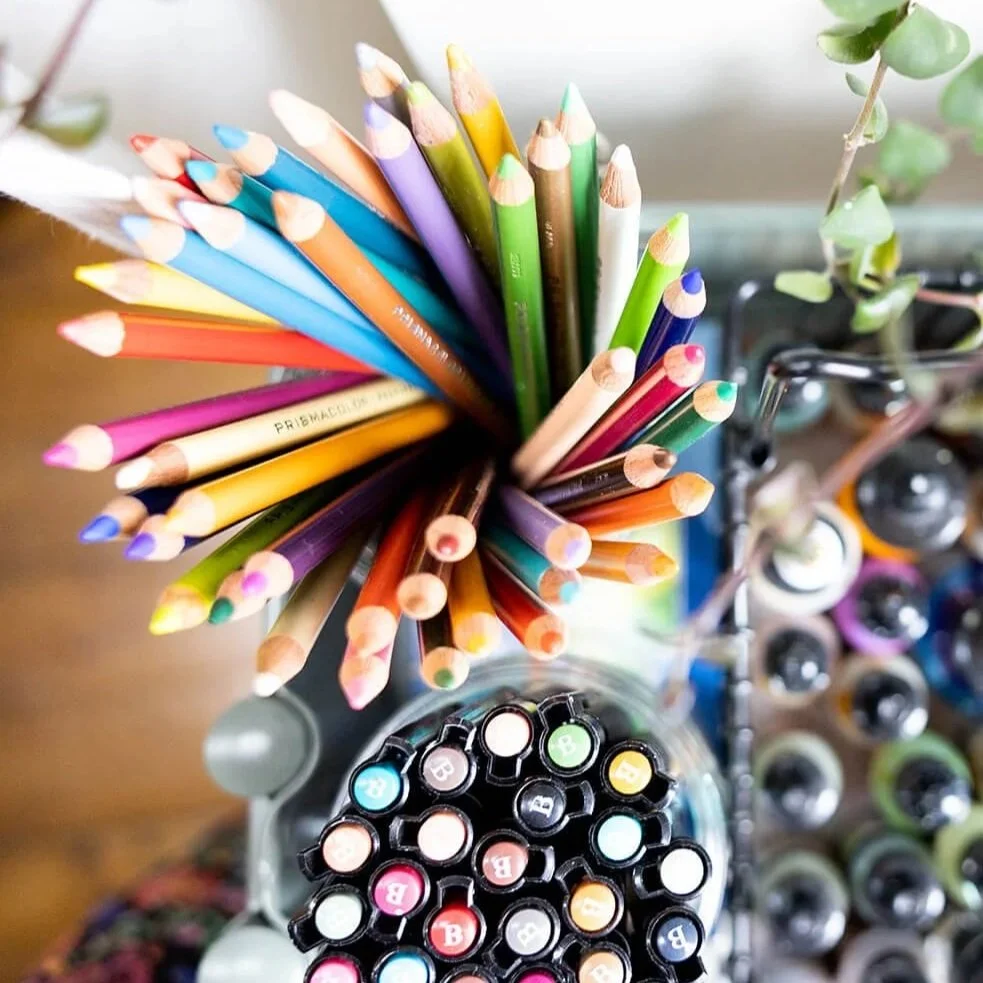
Drawing tools
Pencils
Pens
Crayons
Charcoal
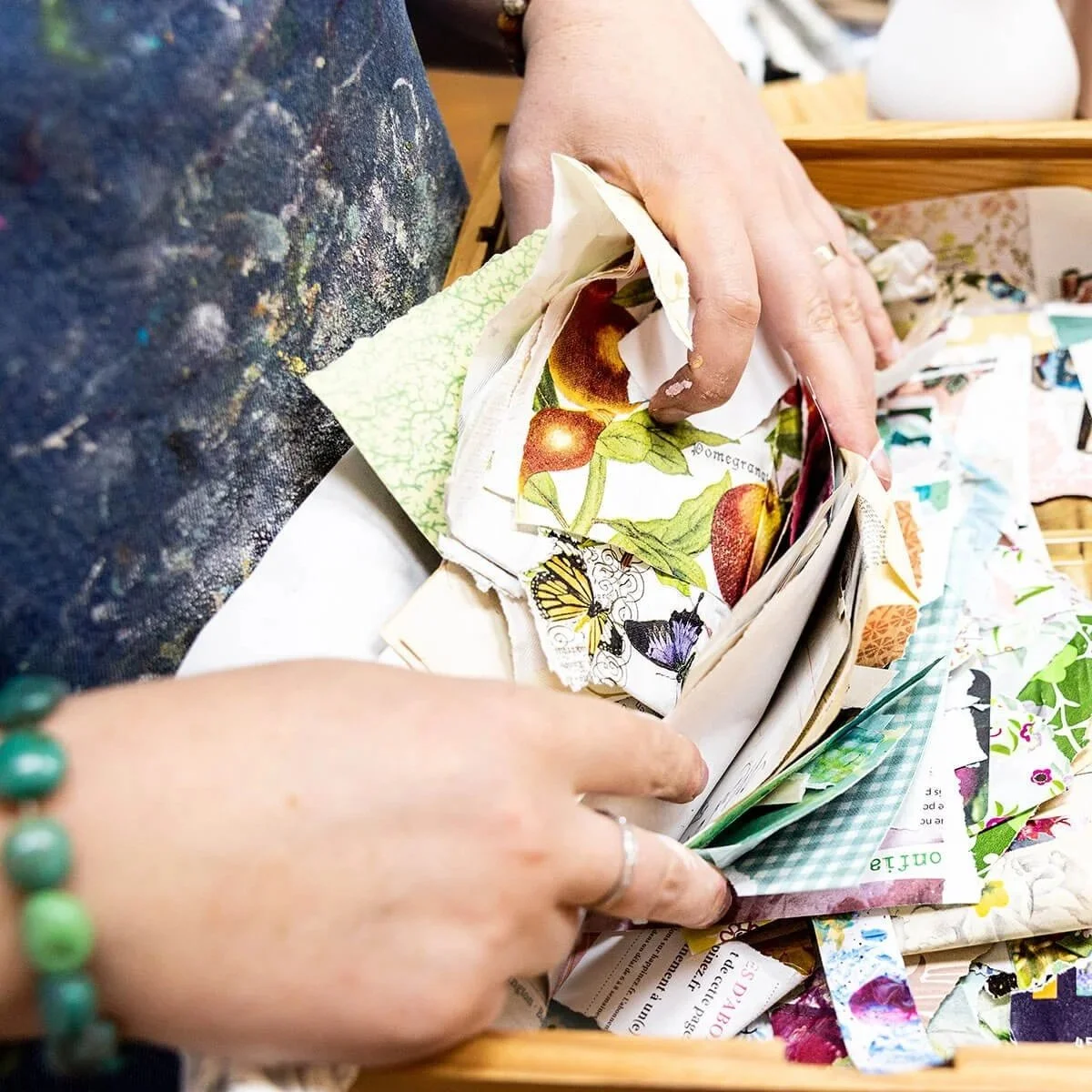
Papers
Old book pages
Tissue paper
Magazine clippings
Textures
Modeling paste
Stencils & stamps
Fabric scraps
Found objects
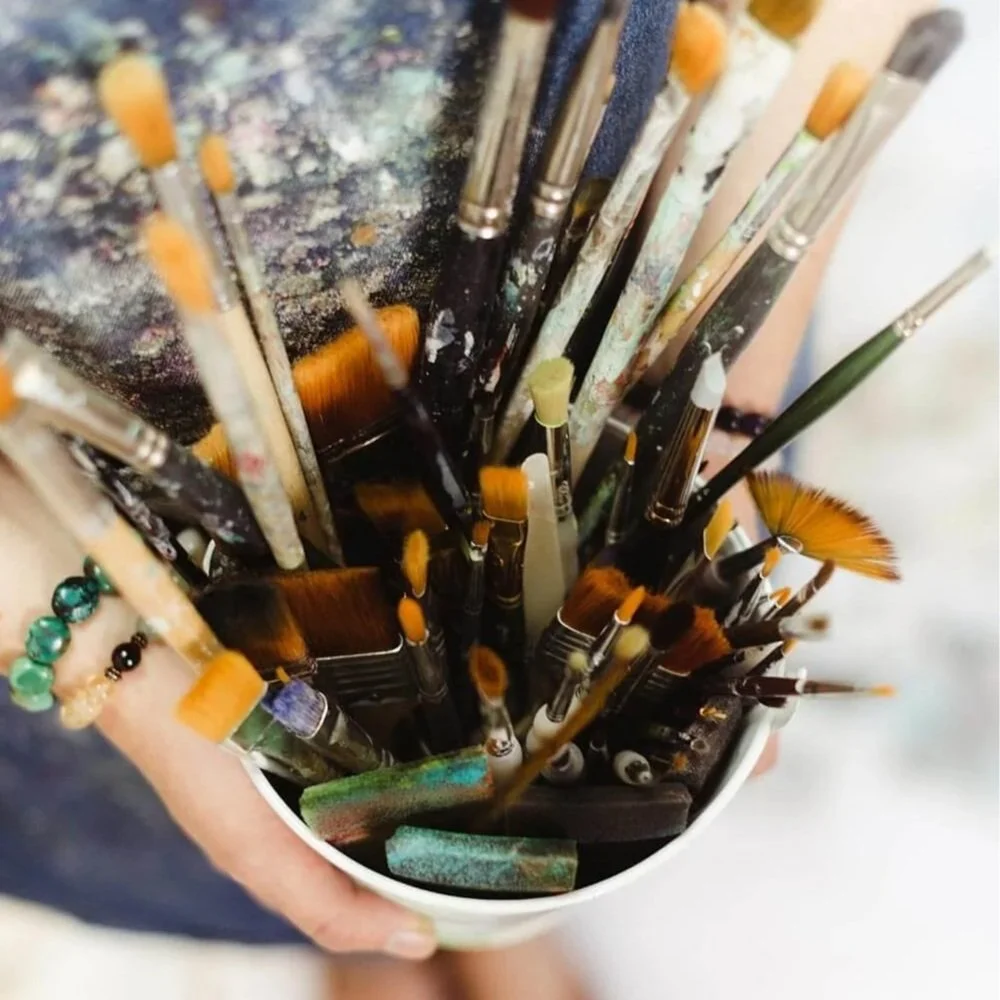
Brushes
Palette knives
Sponges
Even your fingers!
If I had to recommend one particularly useful supply, it would be matte gel medium, which works beautifully as a collage glue. It’s water-based, dries fast and clear and doesn’t yellow over time.
But remember — the magic comes from layering and curiosity, not from having perfect supplies.

Continue the series!
Ready to begin creating?
In the final article of this series, we’ll explore how to begin your own mixed media practice and why art journaling can be one of the most beautiful places to start.
No matter if you’re a complete beginner or have been creating for years, remember that:
Your art is your playground!
It’s a place for you to find joy and nurture your creative soul. There are no mistakes.
So have fun and get playing!
Light, Love & Fairy Dust,

Let me know in a comment below:
Are you excited about the possibilities of mixed media art? Do you have questions about art supplies? I’m here to help!
Never miss a blog post and get a sweet dose of inspiration every week! Join my email newsletter here
You might also like

Let’s explore the magical possibilities of creativity!

Explore my inspiration library
I’ve gathered plenty of resources to inspire you and boost your creativity.
Take an art class with me!
Discover your authentic voice as an artist and unleash your magic.

Enjoy some delightful freebies!
Watch some free lessons and inspiration to help you get started with mixed media art.
Wondering what art supplies you really need for art journaling? In this free video, I'll share my favorite mixed media supplies, plus practical tips for creating a space you'll love making art in.